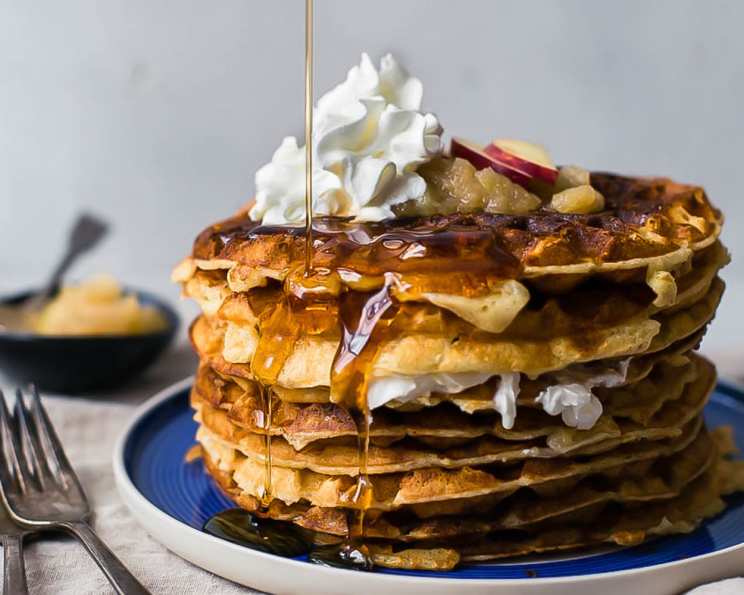
Crafting Perfect Belgian Waffles: Your Overnight Yeast Recipe
Imagine waking up to the irresistible aroma of freshly made waffles, knowing that most of the work was done the night before. This isn't just a dream – it's the reality of making perfect Belgian waffles with an overnight yeast recipe. Forget the morning rush and mediocre breakfast pastries; with a little planning, you can indulge in a breakfast experience that is both stress-free and utterly delicious. These are not your average waffles; they are golden, light, crispy on the outside, and delightfully airy on the inside, boasting a subtle tangy depth that sets them apart. This comprehensive guide will walk you through creating these magnificent overnight waffles, ensuring a memorable breakfast every time.The Magic of Overnight Waffles: Why Yeast Makes a Difference
The secret to truly exceptional Belgian waffles lies in yeast and the magic of an overnight rest. Unlike conventional waffle batters that rely solely on baking powder for leavening, yeast introduces a whole new dimension of texture and flavor. When yeast is allowed to ferment slowly overnight, it works diligently, producing carbon dioxide that creates a network of tiny air pockets within the batter. This process is what gives yeast-leavened waffles their signature light, airy texture and impressive volume. But the benefits extend beyond just fluffiness. The prolonged fermentation period, much like in sourdough bread making, develops a complex, subtle tanginess that elevates the overall flavor profile. This slow process also breaks down some of the starches in the flour, resulting in a batter that is not only more flavorful but also potentially easier to digest. The yeast activity contributes significantly to that coveted crispy exterior, forming a delicate crust that locks in the soft, tender interior. This dual texture – crispy yet fluffy – is a hallmark of truly superior waffles and is largely attributed to the yeast’s overnight performance. For a deeper dive into this fascinating process, explore Yeast Magic Explained: Why Overnight Waffles Are Crispy & Fluffy.Preparing Your Perfect Overnight Waffle Batter: The Night Before
The beauty of overnight waffles truly shines the evening before. With just a few minutes of mixing, you set the stage for a glorious morning. Here’s how to prepare your batter for optimal results:Ingredients You'll Need (Night Before):
- 1 ¾ cups lukewarm water (around 105-115°F / 40-46°C)
- 2 teaspoons active dry yeast
- 1 tablespoon granulated sugar
- 2 cups whole milk, warmed slightly
- 1 stick (½ cup) unsalted butter, melted and cooled
- 2 tablespoons honey
- 1 teaspoon pure vanilla extract
- 1 teaspoon salt
- 3 ½ cups all-purpose flour
Step-by-Step Instructions:
- Activate the Yeast: In a very large mixing bowl (and we mean *very* large – the batter will expand enormously overnight, potentially doubling or even tripling in volume!), combine the lukewarm water, yeast, and sugar. Give it a gentle stir. Let this mixture stand undisturbed for about 5-10 minutes. You'll know the yeast is active and thriving when it starts to foam and bubble on the surface – this is often referred to as "proofing" the yeast. If it doesn't foam, your yeast might be old or the water temperature was off, and it's best to start again.
- Combine Wet Ingredients: Once your yeast is visibly active, stir in the slightly warmed milk, cooled melted butter, honey, vanilla extract, and salt. Ensure the butter isn't hot, as high temperatures can kill the yeast.
- Incorporate Flour: Gradually add the all-purpose flour to the wet mixture. Using a whisk, stir until the batter is smooth and no lumps of flour remain. Avoid overmixing; just combine until uniform.
- The Overnight Rest: Cover the bowl securely with plastic wrap, ensuring it's airtight. Place the bowl in a cool room temperature spot overnight. A cool room temperature (around 65-70°F or 18-21°C) is ideal as it allows the yeast to work slowly and steadily, developing maximum flavor and texture without overproofing.
Pro Tips for Batter Prep:
- Bowl Size Matters: Seriously, use a much larger bowl than you think you need. A 5-quart or larger bowl is usually sufficient.
- Butter Temperature: Always melt your butter first and allow it to cool to room temperature before adding it to the yeast mixture. Hot butter can inactivate the yeast.
- Room Temperature Matters: While the batter rests, a slightly cooler room temperature helps slow down the fermentation, yielding a more complex flavor. Don't put it in the fridge; that would slow the yeast too much.
- No Lumps: Whisking until smooth ensures an even texture in your final waffles.
Morning Bliss: From Batter to Golden Perfection
The next morning, you'll awaken to a beautiful, bubbly, and fragrant batter that is practically begging to be turned into golden waffles. The remaining steps are quick and easy, ensuring a truly stress-free breakfast.Ingredients You'll Need (Morning):
- The overnight waffle batter
- 2 large eggs, lightly beaten
- 1 teaspoon baking soda
- Melted butter for the waffle iron
Step-by-Step Instructions:
- Prepare Your Waffle Iron: Heat your Belgian waffle iron according to the manufacturer’s instructions. Most models have indicator lights to signal when they’ve reached the optimal cooking temperature. Once hot, lightly brush the top and bottom grids with melted butter. This not only prevents sticking but also contributes to that desirable crispy exterior and rich flavor.
- Final Batter Prep: In a small bowl, lightly beat the two eggs together with the baking soda. Whisk this mixture into your overnight batter until just combined. The baking soda, reacting with the acids produced by the yeast during fermentation, provides a final boost of lift and crispness *just before cooking*. Adding the eggs at this stage provides fresh protein for structure and richness without inhibiting the yeast's activity overnight.
- Cook Your Waffles: Pour just enough of the batter onto the hot waffle iron to cover the grids. The exact amount will vary based on your waffle maker, but typically ⅓ to ½ cup per waffle is a good starting point. Be careful not to overfill, as the batter will expand. Close the lid and cook for 5 to 6 minutes on medium heat, or until the waffles are beautifully golden brown and steam is no longer vigorously escaping.
- Remove and Serve: Once cooked, carefully open the waffle iron. If necessary, use a small knife to gently separate the waffle sections, then remove them with a fork or tongs. Repeat the process until all the batter has been used.
Practical Tips for Cooking:
- Don't Overmix: After adding the eggs and baking soda in the morning, whisk just until combined. Overmixing can deflate the delicate air pockets created by the yeast.
- Consistency Check: If your batter seems too thick in the morning (unlikely with this recipe, but possible), you can add a tablespoon or two of milk to thin it slightly. If it's too thin, a tablespoon of flour might help, but avoid adding too much.
- Keep Them Warm: To serve all waffles hot, you can place them on a wire rack set over a baking sheet in a preheated oven at its lowest setting (around 200°F / 93°C) while you cook the remaining batches.
- Troubleshooting Sticky Waffles: Ensure your waffle iron is adequately hot and well-greased. Sometimes, the first waffle might stick slightly as the iron "seasons."
Serving Suggestions to Elevate Your Waffle Experience
The beauty of homemade waffles lies not only in their irresistible taste but also in the endless possibilities for toppings. While these overnight waffles are delicious enough to eat plain, a thoughtful selection of accompaniments can transform them into a decadent feast. Start with the classics: a generous drizzle of real maple syrup, thick slices of ripe banana, and a sprinkle of toasted coconut flakes add both sweetness and texture. For a touch of European elegance, a dollop of rich crème fraîche provides a delightful tangy contrast. But don't stop there! Consider these additional ideas:- Fresh Berries: Strawberries, blueberries, raspberries, or a mix of seasonal berries add vibrant color and refreshing sweetness.
- Whipped Cream: A cloud of freshly whipped cream, perhaps infused with a hint of vanilla or a dash of cinnamon.
- Chocolate Delights: A drizzle of warm chocolate sauce, chocolate shavings, or even a sprinkle of mini chocolate chips for the sweet tooth.
- Nutty Crunch: Chopped toasted pecans, walnuts, or almonds for added crunch and earthy flavor.
- Fruit Compotes: A warm berry compote, apple cinnamon compote, or peach compote offers a burst of cooked fruit flavor.
- Savory Twist: For a hearty brunch, pair your crisp Belgian waffles with fried chicken, crispy bacon, or a perfectly poached egg and a sprinkle of chives. The subtle tang of the yeast waffles surprisingly complements savory flavors beautifully.
